Hammer mill for scrap and metals

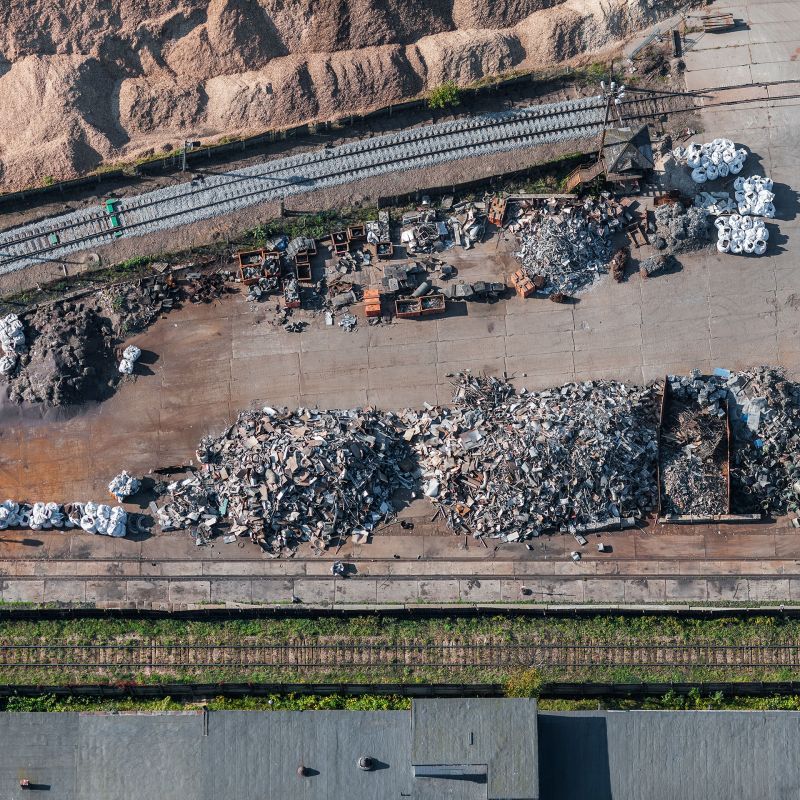
Impact shredding solutions for metal scrap in recycling plants. ZB designs and manufactures hammer mills and hammer shredders in stationary or mobile configurations, tailoring the rotor, hammers, grate size and throughput to each material and recovery target.

Impact shredding machine

An industrial hammer mill is a shredding machine that reduces materials by impact, using hammers mounted on a high-speed rotor. In metal scrap recycling, its job is to turn irregular pieces and mixed metals into a more uniform fraction, ready for the downstream separation and sorting stages.

The material enters through one of the available feeding systems and passes into the shredding chamber. The rotor accelerates the hammers, which strike the scrap and throw it against the anvil and the grates.

Higher recovery and better end-product quality

Properly preparing light scrap makes downstream separation processes more efficient and improves the recovery of valuable metals.

By integrating cleaning and sorting systems, contaminants can be reduced, the purity of the recovered fractions improved and materials of higher commercial value produced.

This technology suits scrap because it works by impact rather than by cutting. The end result is a material of more consistent size, ready for the recovery of ferrous, non-ferrous and light fractions.

Cross-section · shredding chamber
The end result is a material that is more consistent in size, denser, behaves better on conveyors and is ready for the recovery of ferrous, non-ferrous and light fractions in the following stages of the process.

Complete process

From pre-shredding to sorted output

ZB designs the complete shredding process, not just the main machine. The configuration integrates pre-treatment, feeding, separation and discharge to deliver a consistent output based on the material, throughput in t/h and recovery target.

01 Pre-shredding

Volume reduction before the material enters the mill, to stabilise the feed rate, mitigate explosions and protect the hammers. ZB can integrate either its PREDAX 2112 pre-shredder or the PSZB line, both designed specifically for this purpose.

02 Rotor feeding

Continuous, controlled feeding of material into the shredding chamber, matched to the machine’s workflow.

03 Impact shredding

The rotor drives the hammers against the metal and reduces it to the size set by the grate.

04 Magnetic separation and air extraction

Recovery of ferrous metal and removal of light fractions such as plastic, rubber and foam.

05 Sorting and discharge

Clean material, sorted by size and ready for sale or further processing.

Input materials

Configuration tailored to your scrap stream

ZB mills process a wide range of metal scrap. The configuration of hammers, rotor, chamber and grate is adapted to the input material, the planned throughput and the required output particle size.
Cars

WEEE

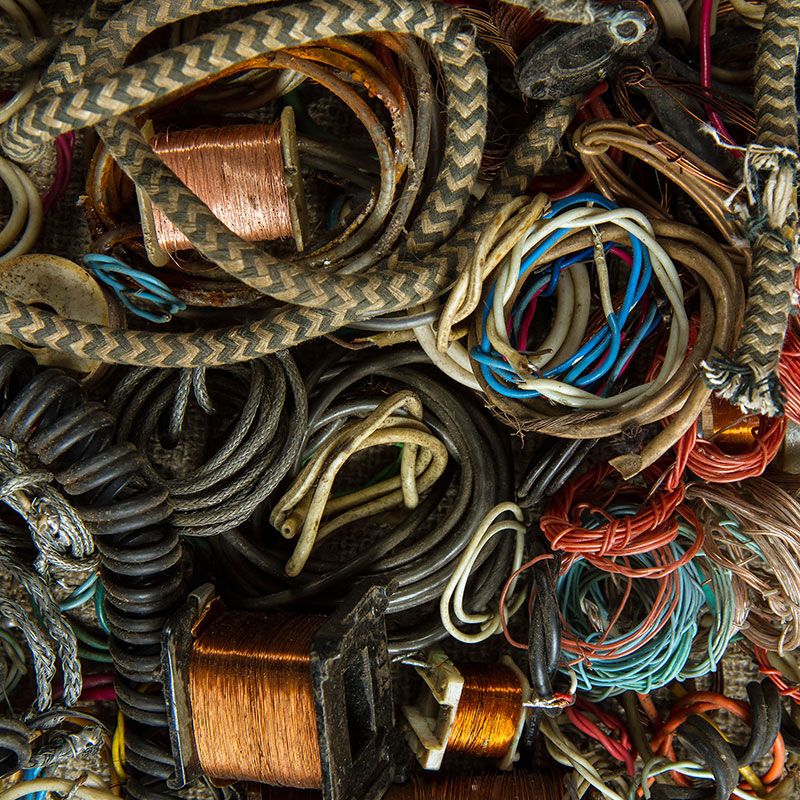
Electrical and electronic equipment, cables and components containing mixed metals.

Goal: liberate copper, aluminium and iron

Cars

Electric motors

Decommissioned industrial
and automotive motors.

Goal: separate copper from iron


Here to help with your process

What is the difference between a hammer mill and a shear?
A shear cuts specific pieces or bales; a hammer mill reduces material by impact. Because it does not rely on cutting, it can process heterogeneous scrap streams and reduce them to a stable fraction without requiring strict pre-sorting of the input material.
Do I need pre-shredding before the mill?
It depends on the material. Light scrap can be fed in directly; ELVs and bulky scrap normally require a prior pre-shredding stage (PREDAX 2112 or PSZB line) to reduce volume, stabilise the feed and protect the hammers.
What throughput can I expect?
The indicative range is 5–40 t/h depending on the model, the type of scrap and the required output particle size. The THOR 1316K covers 5–15 t/h, while the THOR 2121K and PREDATHOR 2121KP reach 20–40 t/h. Final figures are confirmed during the technical consultation.
Stationary installation or mobile unit?
Both configurations are available. The choice depends on the plant space, logistics and whether you need to relocate the machine. ZB sizes the rotor, hammers and grate in either configuration to suit your process.
Contact

Looking for the right industrial solution for your material?

Tell us what you need to process, your required capacity and your goals. Our technical team will evaluate your project and guide you towards the most suitable solution.